Blog ·
Choosing the Right Solar Panel System for Your Home
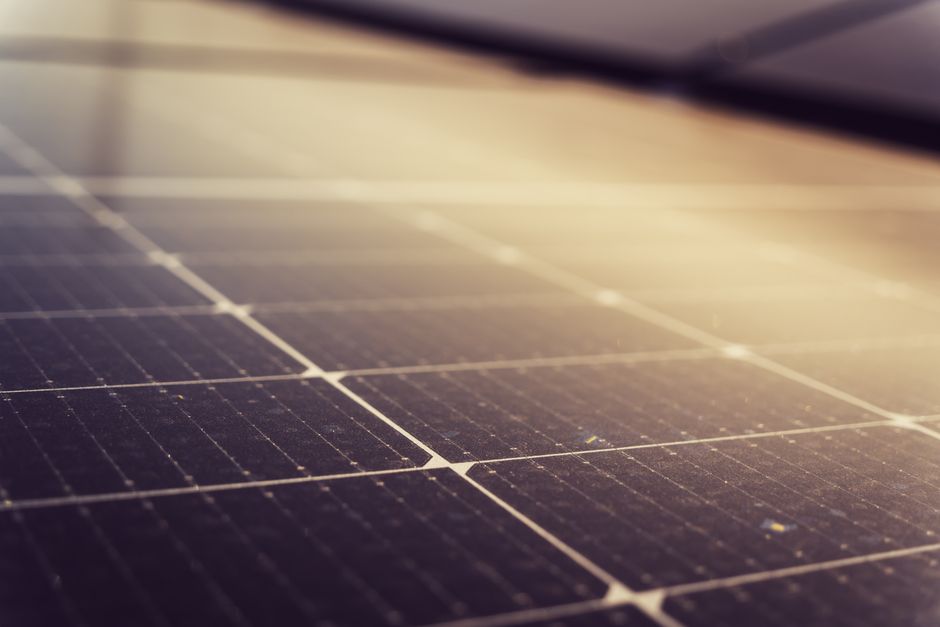
Deciding to install solar panels is an exciting step toward energy independence, but choosing the right system for your specific home requires careful consideration. Understanding your home's unique characteristics and energy needs will help you select a solar solution that delivers maximum benefits for years to come.
Assess Your Home's Solar Potential
Before selecting a system, evaluate your roof's suitability for solar installation. The ideal location receives consistent sunlight throughout the day without significant shade from trees, buildings, or other structures. South-facing roofs typically capture the most energy, though east and west-facing orientations can also be effective. The age and condition of your roof matter too—solar panels last 25 to 30 years, so ensuring your roof can support them for that duration is essential.
Understand Your Energy Consumption
Review your electricity bills from the past year to understand your average monthly usage. This information directly influences the size of the system you need. A household that uses more power will require a larger array of panels or additional battery storage to meet its demands. Your energy consumption patterns also matter—households with higher usage during peak sunlight hours may need different configurations than those with evening-heavy usage.
Consider System Options
Solar installations come in several configurations. A grid-tied system connects to the utility network, allowing you to draw power when needed and potentially send excess energy back to the grid. A hybrid system pairs solar panels with battery storage, providing backup power during outages and maximizing self-consumption. Stand-alone systems work independently but require sufficient battery capacity for your needs.
Roof Space and Equipment Placement
The amount of available roof space determines how many panels you can install. Modern panels are increasingly efficient, meaning you may need fewer panels than installations from years past. Don't overlook ground-mounted systems if your roof isn't suitable—they offer flexibility in placement and can be more accessible for maintenance.
Plan for Future Needs
Consider potential changes to your home and lifestyle. If you're planning to add an electric vehicle or heat pump, you may want a larger system than your current usage suggests. Conversely, if you're nearing retirement and expect to reduce your home's size, a smaller system might be appropriate.
Selecting the right solar system requires balancing your home's physical characteristics, your energy requirements, and your long-term goals. BrothWorks can evaluate your specific situation and recommend a system designed to provide reliable, sustainable power for decades to come.